REVIEW · SEMINYAK
Full Day – Ubud Art Village and Mount Batur Kintamani with Lunch
Book on Viator →Operated by Bali Best Tour Guide · Bookable on Viator
Batik, monkeys, and a volcano lunch. This full-day circuit strings together Bali’s craft workshops and countryside stops, then caps it with a Mount Batur view at lunch. I like that you get hands-on viewing time in places such as Tohpati’s batik and then shift to the big scenic payoffs around Ubud and Kintamani.
I also love how the day stays human-paced: you’re not just racing between famous spots, you’re watching artisans at work in Tohpati, Celuk, and Kemenuh, with a real lunch break in Kintamani. The main drawback is simple: it’s a long day (about 10–11 hours), so you’ll want comfortable shoes and a little patience for crowds and short walks at the outdoor stops.
In This Review
- Key Highlights I’d Put First
- Price and Value: What You’re Really Buying for $61
- How the Day Flows (and Why That Route Makes Sense)
- Tohpati Village Batik: Watching Wax Patterns Take Shape
- Celuk Village Gold and Silver Smithing: Intricate Designs, Live Metalwork
- Puseh Batuan Temple and the Kori Agung Gate: Temple Architecture Up Close
- Batuan Village Art: Paintings of Gods, Dancers, and Daily Stories
- Sacred Monkey Forest Sanctuary: How to Enjoy Macaques Without Stress
- Tegalalang Rice Terraces and Subak Irrigation: Why the View Is More Than Pretty
- Kintamani: Lunch With Mount Batur and Lake Batur Views
- Segara Windhu Coffee Plantation: Luwak Process and Tasting Flights
- Kemenuh Wood Carving Center: Seeing Skills Built in Real Time
- Tegenungan Waterfall: A Jungle-Set Finish to the Day
- The Guides and Drivers Part: Why Names Like Pakis and Manu Matter
- Should You Book This Ubud and Mount Batur Day Trip?
- FAQ
- What time does the tour start in Seminyak?
- Is hotel pickup and drop-off included?
- Are entrance tickets and lunch included?
- Do I need to bring a sarong for the temple?
- Is coffee tasting included, and what do you taste?
- Can I get a full refund if I cancel?
Key Highlights I’d Put First
- A private car for the whole day so you’re not stuck timing your moves with strangers
- Artisan stops that are built around process (wax batik, gold/silver smithing, and wood carving)
- Ubud classics plus one sweet scenery detour: Sacred Monkey Forest, Tegalalang rice terraces, then Kintamani
- Coffee plantation tastings after you see how Luwak coffee is made and roasted
- Tegenungan Waterfall in the afternoon with a jungle setting and included entrance
- Lunch with Mount Batur and Lake Batur views to make the travel time feel worth it
Price and Value: What You’re Really Buying for $61
At $61 per person for a 10–11 hour day, what you’re buying is not just transportation. The day includes hotel pickup and drop-off, a private air-conditioned car, all entrance tickets, lunch, a sarong for temple entry, plus bottled water. That matters in Bali, because entrance fees and “small extras” add up fast when you plan day-trips on your own.
The value also comes from how the route is built: you’re covering multiple high-demand areas in a single sweep—Ubud’s art villages, the rice terraces, Kintamani’s volcano viewpoint, and Tegenungan Waterfall. If you tried to DIY it without local driving knowledge, you’d spend time figuring out where to go next and how to connect the stops efficiently.
The one thing I’d keep in mind is that this is still a packed itinerary. Even with a private car, you’ll be moving through several cultural sites and outdoor attractions in one day. If you hate early mornings or don’t do well with standing and walking outdoors, you might feel stretched.
Other Kintamani volcano tours at Mount Batur & Bali highlands

How the Day Flows (and Why That Route Makes Sense)
The tour starts at 8:30 am, which is early enough to beat peak midday heat at the rice terraces and temple areas. The path goes from craft villages around Ubud into classic Ubud sights, then up to Kintamani for the big volcano lunch view, and finally down again toward Tegenungan Waterfall.
This order is practical. You see the detailed artisan work earlier in the day, when you’ll be less tired. Then you get the scenic rewards (Tegalalang and Kintamani), and you save the more physical outdoor payoff (Tegenungan) for later.
You’ll also notice the tour uses a mix of included admissions and free village access. In the end, you don’t have to worry about sorting paperwork—your entrance tickets are handled and you just show up, wear the sarong at the temple, and follow your guide’s timing.
Tohpati Village Batik: Watching Wax Patterns Take Shape
Tohpati is where you go to understand batik as a process, not just a finished shirt. Here, batik is made by applying wax using dots and lines, then decorating fabric in a way that turns careful handwork into clear patterns. Watching it happen is the point: you’ll see how the design is built layer by layer, with time and precision.
This is a great stop if you like craft details, because batik isn’t just “traditional.” It’s a real skill with visible steps, so you can connect what you’re seeing to what you might buy later. The stop runs about 1 hour, which gives you enough time to watch, ask questions, and still move on before the day gets too warm.
Possible consideration: batik is visually interesting, but it can also turn into a shopping pressure moment in some craft areas. If you want to keep it relaxed, focus on the production part first, then decide later if you want souvenirs.
Celuk Village Gold and Silver Smithing: Intricate Designs, Live Metalwork
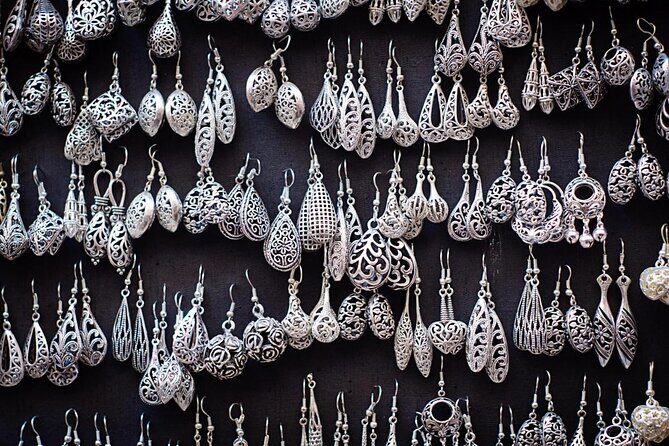
Next up is Celuk, known for gold and silver smithing. This is where you see artisans working with the kind of precision that’s hard to grasp from a store display. The skill here is in turning metal into intricate designs and repeatable patterns, while still keeping the details sharp.
You’ll spend about 1 hour, and this time is worth it even if jewelry shopping isn’t on your agenda. Celuk helps you see why Balinese craft isn’t just decoration—it’s craftsmanship with design knowledge behind it.
Practical note: metalwork studios often have shiny tools, tight spaces, and bright light. Wear something comfortable for standing and bring your eyes instead of your camera first—your guide can point out what to look for in the process.
Puseh Batuan Temple and the Kori Agung Gate: Temple Architecture Up Close
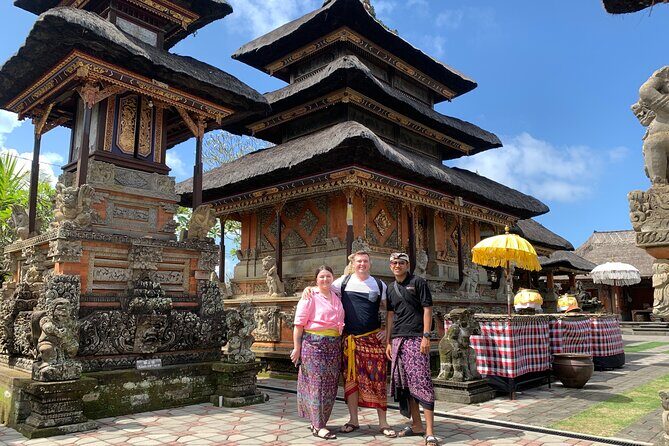
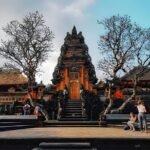
The Puseh Batuan Temple stop is about 40 minutes, and it’s built around classical Balinese temple architecture with intricate stone carvings. You’ll also see the Kori Agung, a high entrance gate flanked by sculptures, which is one of the quickest ways to feel the place’s spiritual importance.
You’ll be provided a sarong for entry, which simplifies what can otherwise be a hassle at temples. Use it properly, follow the local rules you’re given, and you’ll have an easy, respectful visit.
What makes this stop special is contrast. You go from craft workshops—practical, hands-on making—to a sacred space where the carvings and gate architecture communicate meaning. It’s a short stop, but it helps the rest of the day feel grounded.
Other Ubud combo tours around Mount Batur
Batuan Village Art: Paintings of Gods, Dancers, and Daily Stories
Batuan is known for artworks and handicrafts, and you’ll get about 30 minutes here. The focus is on painters creating works that depict Balinese culture: gods and goddesses, dancers, demons, and scenes tied to religion and history.
This one is quick, so treat it like an art gallery with movement. Look for what style connects to the island’s storytelling, and notice how artists translate belief and everyday life into visual scenes.
If you enjoy art, Batuan is a strong pairing with the earlier craft stops. You’ll have batik patterns in your head, metal design details fresh in mind, and then you’ll switch to painted interpretation—different medium, same cultural vocabulary.
Sacred Monkey Forest Sanctuary: How to Enjoy Macaques Without Stress
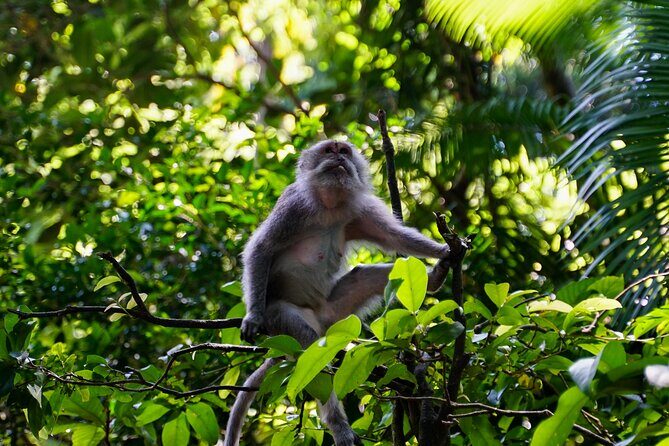
The Sacred Monkey Forest Sanctuary stop runs about 1 hour and includes admission. It’s a preserved forest area with tropical greenery, sacred ancient temples, and a lot of long-tailed macaque activity.
This is one of the most famous parts of the day for a reason: you can see monkeys running, eating, and playing in a natural jungle setting, and you’ll get the chance to take close-up photos while you walk with your guide.
The main consideration is comfort and safety. Monkey encounters can be unpredictable anywhere in Bali. Keep a calm stance, don’t do anything that looks like feeding, and listen to your guide’s instructions about what to carry and how to behave around them. If you’re the type who gets nervous around animals, approach slowly and stick close to your guide.
Tegalalang Rice Terraces and Subak Irrigation: Why the View Is More Than Pretty
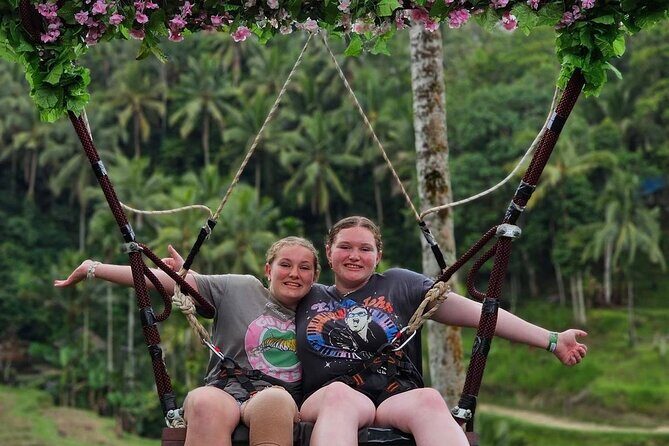
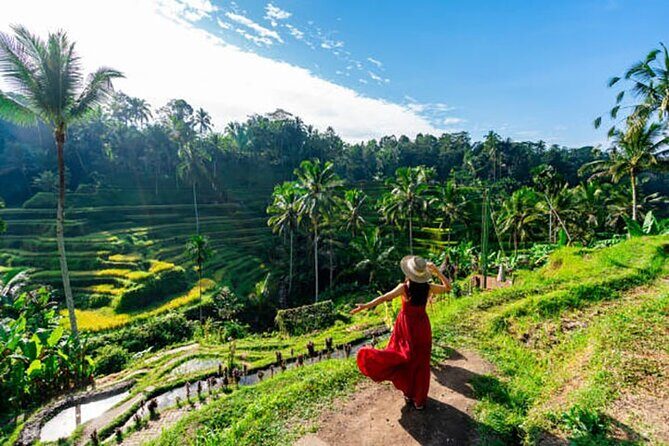
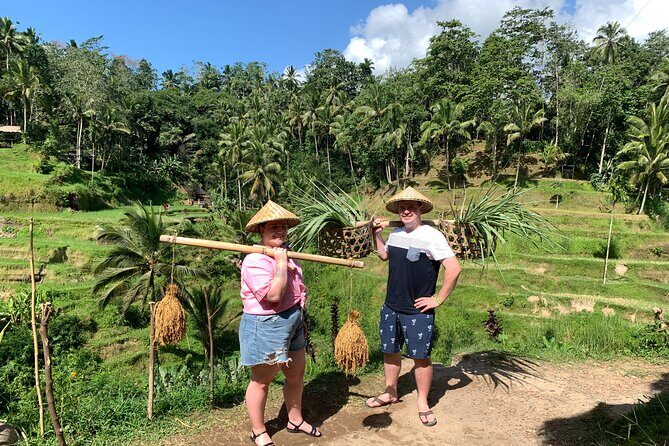
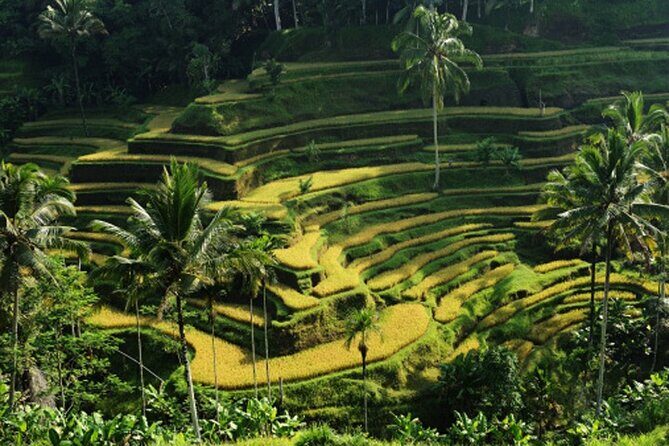
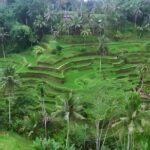
Tegalalang is a classic Bali stop for a reason: you’ll see beautiful rice paddies and learn about Subak, the traditional cooperative irrigation system. Subak is important because it shows how farming here is community-managed, not just individual effort.
You’ll spend about 1 hour, and this is the part of the day where you’ll want to pace your photos. Take a few early views, then walk to see how the terraces step down and how irrigation channels support the paddies. Even short changes in angle can make the scene look totally different.
Practical tip: rice terrace areas can be slippery and uneven. Wear shoes you can trust on loose ground, and don’t rush the walk just to get the perfect photo.
Kintamani: Lunch With Mount Batur and Lake Batur Views
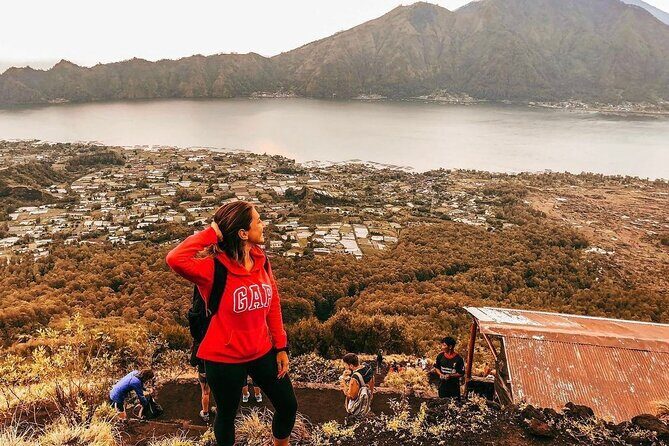
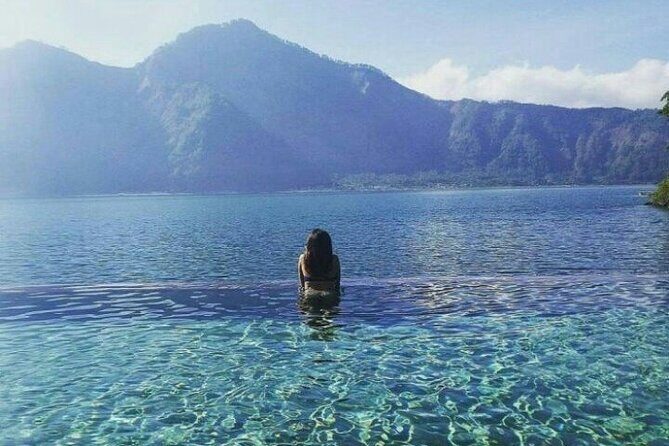
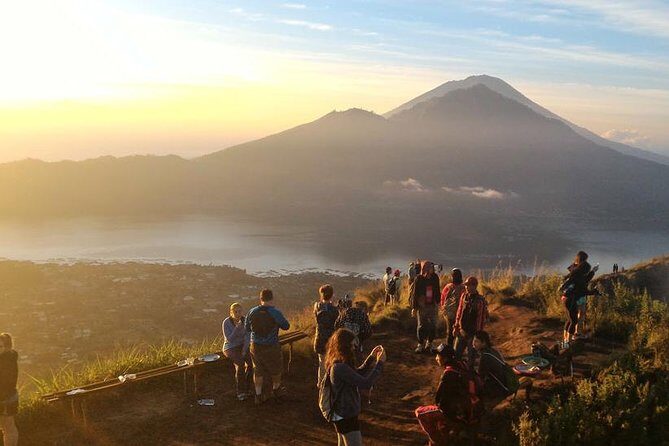
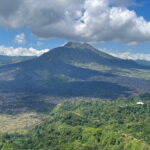
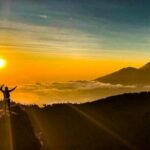
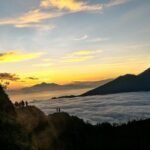
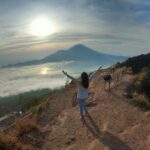
Then comes the big payoff: Kintamani with a scenic lunch. You’ll have about 1 hour here, and the highlight is eating while you look out toward Mount Batur with Lake Batur below.
This stop turns the whole travel day into something more emotional. Ubud craft villages are interesting, but Kintamani is where Bali’s scale shows up—volcanic terrain, high-air views, and that cooler sense of elevation. It also breaks the day in a real way: you’re not just swapping one short attraction for another.
Lunch is included, and it’s served as a buffet with a view. If you’re picky about pacing, plan to slow down here. Sit, eat, and let the scenery do what scenery does.
Segara Windhu Coffee Plantation: Luwak Process and Tasting Flights
Coffee plantation time is about 1.5 hours and includes entrance. Here you’ll see the traditional process of making Luwak coffee, including how coffee beans are roasted on a clay pan using heat from firewood. It’s a mix of curiosity and sensory experience, since you’ll be walking through the farm area and breathing in the fresh air.
What you’ll appreciate most is that the stop doesn’t stop at showing you equipment. You get tastings—like lemon tea, ginger tea, chocolate coffee, ginger coffee, and regular Balinese coffee. If you’re avoiding strong coffee, you still have options through teas and flavored choices.
A consideration: coffee stops can feel repetitive for people who don’t care about tasting. If you don’t drink coffee at all, focus on the process part and treat the tasting like a bonus, not a must.
Kemenuh Wood Carving Center: Seeing Skills Built in Real Time
Kemenuh is the wood carving center, and you’ll get about 30 minutes to watch artisans at work. This stop is ideal if you like the idea of “made by hand” rather than “mass-produced.” You’ll see artisans produce carvings and understand why some pieces cost more—time, detail, and clean finishing matter.
It’s also a good shopping stop, but you don’t have to buy. Even without purchases, watching the work process helps you understand how the final designs come to life from blocks.
Since the stop is short, keep your attention on a few key things: the tools being used, the way shapes are refined, and how patterns look when they’re still in progress.
Tegenungan Waterfall: A Jungle-Set Finish to the Day
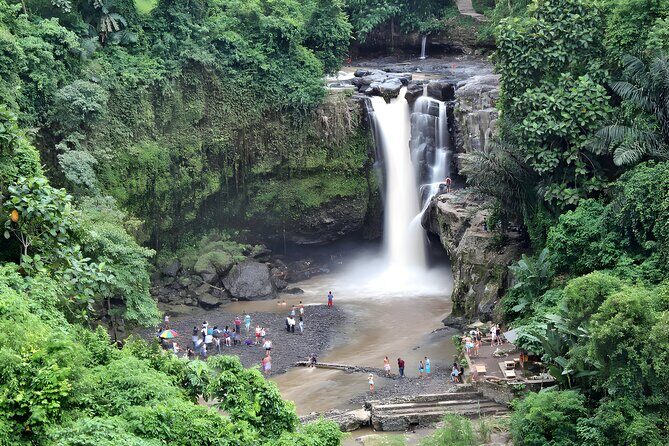
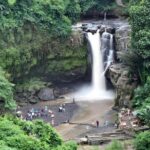
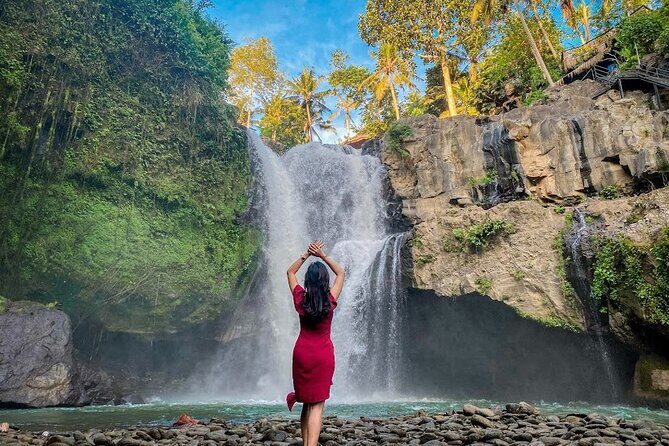
The day ends with Tegenungan Waterfall, about 15 meters high, set in a tropical jungle. Admission is included, and you’ll have around 1 hour at the site.
This is where the tour shifts from cultural observation to physical scenery. The waterfall setting is lush and green, and it’s a view you’ll remember because it’s a different texture than temples, terraces, and craft studios.
Practical consideration: you may deal with wet ground, uneven steps, and the sound of the falls (great for photos, sometimes loud for comfort). Wear shoes that grip, bring a small towel or tissue if you’re worried about splashes, and let your guide set the pace.
The Guides and Drivers Part: Why Names Like Pakis and Manu Matter
One pattern you’ll notice with this style of tour is that the day depends on the guide’s feel for timing and photo spots. People often mention guides such as Pakis, Pakki, Manu, and drivers like Mr. G by name, and the common thread is smooth, friendly attention—plus helpful English and photo support.
That may sound small, but it changes your day. When someone knows when to move and where to stand, you waste less time asking, rethinking, or losing your group in busy areas. It also makes the day feel more like a personal circuit rather than a checklist.
If you care about good photo framing, this tour is set up for that. Between Monkey Forest, Tegalalang, and the waterfall, you’ll have plenty of chances—your guide’s timing can make the difference between decent and really memorable pictures.
Should You Book This Ubud and Mount Batur Day Trip?
Book it if you want a one-day sampler of Bali beyond the beach: batik, metalwork, temple carvings, rice terraces, a volcano lunch, coffee tastings, wood carving, and Tegenungan Waterfall—handled with pickup, tickets, lunch, and a private car.
Consider skipping (or swapping for a slower route) if you prefer fewer stops, dislike crowds around monkeys, or don’t want a long day. This itinerary is full, and the outdoors stops mean you’ll be on your feet more than you might expect.
My take: if you want value and structure in one package—especially for first-timers who want to see both Ubud craft culture and Kintamani’s Mount Batur views—this is a strong choice.
FAQ
What time does the tour start in Seminyak?
The tour starts at 8:30 am.
Is hotel pickup and drop-off included?
Yes. Hotel pickup and drop-off are included.
Are entrance tickets and lunch included?
Yes. All entrance tickets are included, and you also get lunch during the Kintamani portion.
Do I need to bring a sarong for the temple?
No. A sarong is provided for temple entry.
Is coffee tasting included, and what do you taste?
Yes. At the coffee plantation you’ll see the process of Luwak coffee and you can taste items such as lemon tea, ginger tea, chocolate coffee, ginger coffee, and regular Balinese coffee.
Can I get a full refund if I cancel?
Yes, you can get a full refund if you cancel up to 24 hours before the experience starts.