REVIEW · UBUD
Kintamani Vulcano Tour
Book on Viator →Operated by Bali Ubud Tour · Bookable on Viator
One day, four big sights. This 9-hour north Bali run from Ubud strings together Mount Kawi, Tirta Empul, Kintamani’s volcano panorama, and Tegalalang rice terraces, so you get culture and scenery in one efficient loop. Cliff-carved temples make the morning feel special even before the views.
I especially like the sarong you get for temple visits and the fact that key admissions are covered, which keeps your spend predictable. I also like how the drive north brings you to Lake Batur and Mount Batur views instead of a rushed look. The only drawback is that lunch is not included, so you’ll want to budget time and money for food.
In This Review
- Key highlights you’ll feel on this tour
- A one-day North Bali circuit that actually stays organized
- Start with a local produce market stop that sets the tone
- Mount Kawi cliff temples: old carvings and dramatic rice-terrace views
- Tirta Empul and the Melukat purification moment at the holy spring
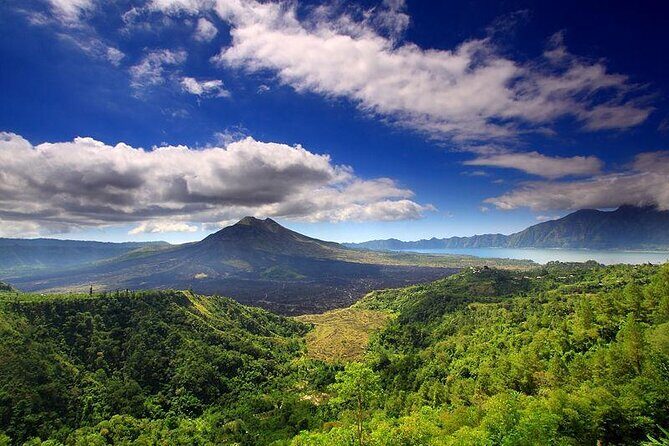
- Kintamani Highland: Lake and Mount Batur views from the caldera rim
- Tegalalang rice terraces: subak irrigation and a photo-friendly walk
- Price and value: what $52.62 gets you in real-world terms
- Getting the most out of your driver and timing
- What to bring (so the day stays comfortable)
- Should you book the Kintamani Vulcano Tour from Ubud?
- FAQ
- What time does the tour start?
- How long is the Kintamani Volcano tour?
- Is pickup available from Ubud?
- What is the price per person?
- What’s included in the tour price?
- What isn’t included?
- Are temple admission tickets included?
- Is this tour private?
- Can I cancel for a full refund?
Key highlights you’ll feel on this tour
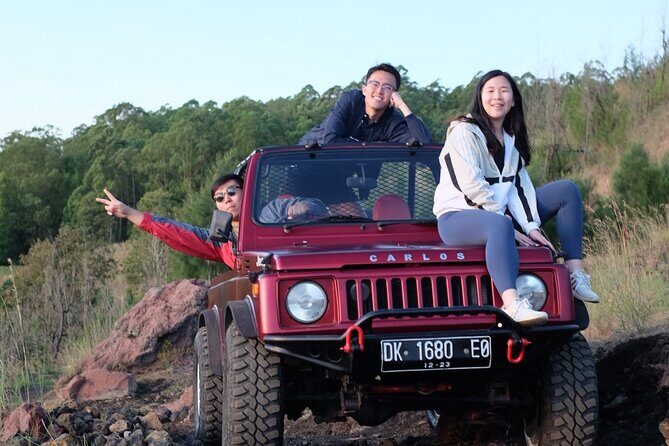
- Private, AC vehicle for your group so you’re not stuck waiting on other people
- Sarong provided for temple entry, no last-minute rental hunt
- Mount Kawi’s rock-carved cliff setting paired with rice terraces
- Tirta Empul holy spring and the Melukat purifying bath procession
- Kintamani caldera viewpoints around Lake and Mount Batur
- Tegalalang rice terrace scenes shaped by the traditional subak irrigation system
A one-day North Bali circuit that actually stays organized
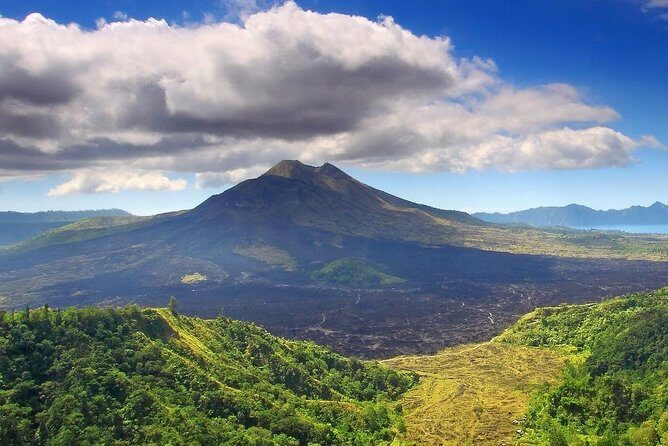
This tour is built for people who want more than one “wow” per day. From Ubud, you head north into Gianyar and then toward the Mount Batur area, keeping the day in a smooth loop. The timing is also sensible: each main stop gets about an hour, so you get time to walk, look, and take photos without feeling trapped at a single location all day.
What makes it work best is the mix. You’re not just collecting viewpoints. You get temple culture (Mount Kawi and Tirta Empul), then a big natural backdrop (Kintamani and Lake Batur), then one of Bali’s most famous landscapes (Tegalalang rice terraces). If your idea of a great day is variety with clear structure, this fits.
One practical note: you’re typically in a car for a good chunk of the day. A private air-conditioned vehicle helps a lot when the driving stretches out between stops.
Other Kintamani volcano tours at Mount Batur & Bali highlands

Start with a local produce market stop that sets the tone
Before the temples and big scenery, you begin at a traditional produce market that serves local villages. This is a smart first move because it reminds you that Bali isn’t only temples and tourist photo spots. You get a quick glimpse of everyday life—what people grow, trade, and buy—before you shift into the ceremonial side of the day.
Even if you don’t shop much, you can still use this stop to get your bearings. It’s also a good moment to pick up small essentials if you need them later in the day (snacks or water add-ons), since bottled water is included but lunch isn’t.
If you’re the kind of traveler who likes context, this market stop gives it. If you only want views and temples, it may feel like a warm-up—but it’s a worthwhile one.
Mount Kawi cliff temples: old carvings and dramatic rice-terrace views
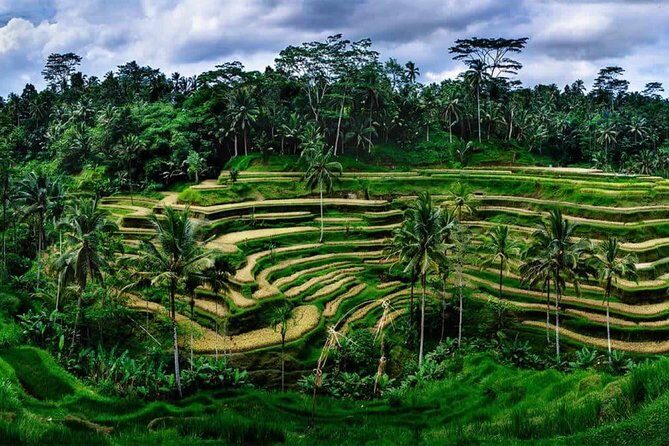
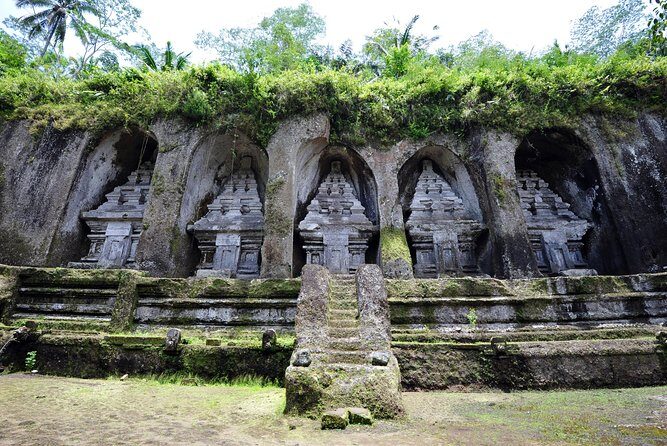
Your first major temple stop is Mount Kawi (also associated with the Gunung Kawi area). The setting is part of the attraction: these temples are carved into cliff rock and sit in a landscape of rice terraces. That combination—stone work shaped into a rock face plus green fields below—is exactly why Mount Kawi tends to feel memorable.
This temple complex dates back to the late 11th century, so you’re not just looking at something pretty. You’re looking at something that has lasted. The point isn’t to treat it like a museum; it’s to notice how the carvings and the architecture belong to the landscape rather than fighting it.
What to expect on the ground:
- Plan for walking around uneven surfaces and stairs typical of cliff-side temple areas.
- Bring patience for a “look, photograph, then look again” pace. One hour is usually enough, but it’s not a long time if you stop often to reframe your shots.
The included admission ticket helps too. You won’t spend your morning tracking down entry rules.
Tirta Empul and the Melukat purification moment at the holy spring
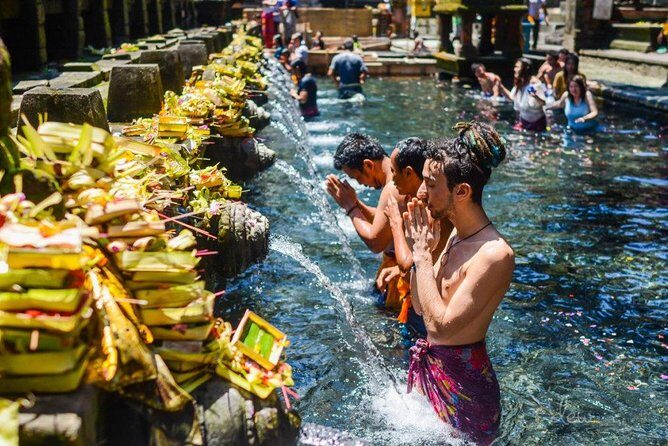
Next up is Tirta Empul Temple, built around the sacred spring at Tampak Siring. The holy spring bubbles up within the temple courtyard, and it’s believed to have curative power. Even if you don’t have a faith background, you can still appreciate how central water is to the experience here—water as something living, sacred, and used with intention.
The standout moment is the Hindu Melukat procession, which centers on purifying bath practice. During this portion, you can watch the procession as part of temple life. This is one of those scenes that’s easier to understand when you act respectful first: keep your voice low, follow staff directions, and avoid turning it into a performance for your camera.
A practical detail that matters: temple visits require a sarong, and the tour provides one for you. That’s a small thing, but it saves time and stress—especially if you’re traveling light.
One consideration: if you’re sensitive to crowds or want to “move through” quickly, this stop can feel more active than Mount Kawi. Give yourself the full hour. Watching the process at a calm pace tends to create the best memories.
Kintamani Highland: Lake and Mount Batur views from the caldera rim
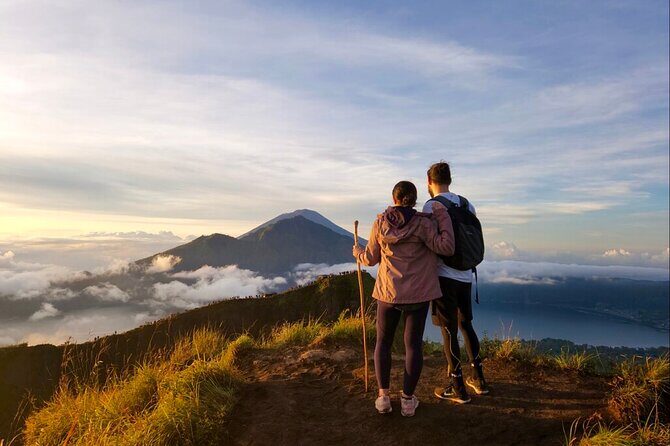
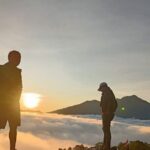
After the temples, the day shifts into big landscape mode. You drive north to the Kintamani Highland area at the Mount Batur caldera, a region known for places like Penelokan, Toya Bungkah, Batur, Kedisan, Abung, Songan, and Kintamani villages.
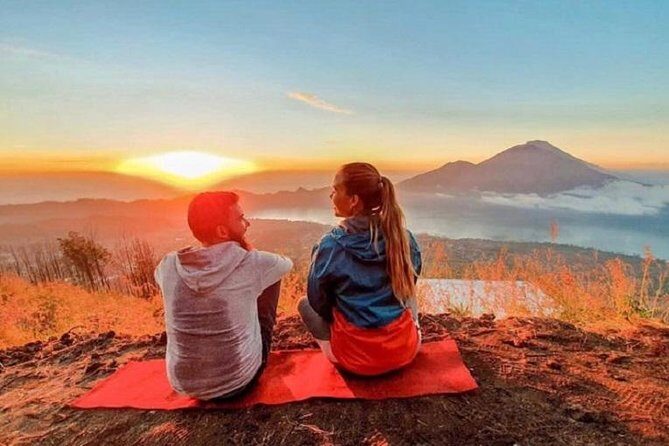
Even when you don’t have a geologist in your group, you can read the scenery. The caldera shape and the volcanic setting make the area feel like Bali’s “backstage” to its dramatic nature. This is where the tour earns its name: the views around Lake Batur and Mount Batur become the day’s main visual payoff.
What I like about including this stop rather than skipping it:
- You get a real sense of scale—water, mountain, sky, and the curve of the caldera all play together.
- You can take photos without feeling like you’re forcing it. The views do most of the work.
What to watch for: clouds can change how clear the mountain looks, and weather in the highlands can feel different than Ubud. The tour can’t control that, but you can still make the most of your hour by being ready to look from multiple angles as you walk.
Admission is included, so your focus stays on the scenery.



Tegalalang rice terraces: subak irrigation and a photo-friendly walk
The final sightseeing stop is Tegalalang Rice Terrace, one of the most recognizable rice landscapes in Bali. The reason it’s so famous isn’t only the view. It’s the way the rice paddies reflect the subak system—traditional Balinese cooperative irrigation—passed down through community practice.
In other words, this isn’t just “pretty green steps.” It’s a working agricultural system. When you look at the terraces, you can start to connect the dots: water management, community involvement, and how the terrain gets shaped into paddies.
You’ll have about an hour here, which is enough for:
- A slow walk along the viewpoint paths
- Photos from a couple of angles
- A moment to watch how people move through the landscape
One tip for enjoying it more: don’t treat it as only a quick photo stop. If you slow down for a few minutes to watch the irrigation and the way the terraces layer, the landscape feels more real.
Admission is included, so you’re not paying extra on the spot.
Price and value: what $52.62 gets you in real-world terms
At $52.62 per person for roughly 9 hours, the value comes from what’s bundled. You’re not just buying a driver and gas. You get:
- Air-conditioned vehicle transport
- Private transportation (your group only)
- All fees and taxes covering the listed admissions
- Bottled water
- A sarong for temple entry
That’s a big deal because Bali costs add up in small pieces: tickets, transport, and last-minute clothing rules. This tour wraps those concerns into one price, and you can plan your day without guessing.
The trade-off is also clear: lunch isn’t included. So figure out what you’ll eat or what snacks you’ll carry. If you skip that planning, the tour can still feel like good value, but you’ll end up spending more on impulse.
Getting the most out of your driver and timing
The quality of the day depends a lot on the person at the wheel. In past experiences with this tour style, drivers like Kadek have been praised for being polite, informative, and careful, even adding extra learning time like a coffee plantation stop. Another guide example is Dewa, who’s been described as fantastic for explaining local culture and keeping the day on track.
You can’t guarantee a specific name, but you can choose how you interact with the guide. If you ask quick questions during transfers—What is the meaning of this ritual? Why is this temple placed here?—the day becomes more than a checklist.
Timing-wise, your start is 9:00 am, and then the stops unfold with about an hour at each major point. That pace works well if you like structure. If you’re the type who hates schedules, you might feel a little “pulled” through. In that case, focus on being present at each stop rather than wishing the hour were longer.
What to bring (so the day stays comfortable)
Since you’re doing temples and outdoor landscapes, pack like you’re mixing culture and walking.
Bring:
- Comfortable shoes for stairs and uneven ground at cliff-side and temple areas
- A light layer for changing conditions between Ubud and higher elevations
- Sunscreen and a hat, because you’ll be outside during the scenic segments
- Any cash or card you need for lunch and personal items (since lunch and personal expenses aren’t included)
Because bottled water is included, you don’t need to start the day scrambling for hydration.
Should you book the Kintamani Vulcano Tour from Ubud?
Book it if you want an organized north Bali day that mixes temples, volcanic views, and rice terraces without forcing you to stitch together separate activities. It’s also a strong choice if you value predictability: transport with AC, key admissions included, and sarong provided.
Skip it (or adjust your expectations) if you’re picky about pace. You’ll have about an hour per main stop, so it won’t feel like a slow, wandering day. And if you hate planning meals, remember lunch isn’t included.
For most people staying in Ubud, this is a practical way to see the Bali that sits beyond the center—especially if you want Mount Batur and Lake Batur on the same day as classic temple scenes.
FAQ
What time does the tour start?
The tour starts at 9:00 am.
How long is the Kintamani Volcano tour?
It runs for about 9 hours.
Is pickup available from Ubud?
Yes, pickup is offered.
What is the price per person?
The price is $52.62 per person.
What’s included in the tour price?
Included are bottled water, an air-conditioned vehicle, private transportation, all fees and taxes, and sarong use for the temple visit.
What isn’t included?
Lunch and personal expenses aren’t included.
Are temple admission tickets included?
Yes, admission tickets are included for the listed stops.
Is this tour private?
Yes. It’s a private tour/activity, and only your group participates.
Can I cancel for a full refund?
Yes. You can cancel up to 24 hours in advance for a full refund.