REVIEW · UBUD
Kintamani Down Hill Cycling
Book on Viator →Operated by bali journey experience · Bookable on Viator
Freewheel to rice fields with culture stops. This Kintamani downhill cycling experience pairs an easy-going ride with hands-on village visits, including a local school and a traditional Balinese compound where you learn how people think about daily life. I especially like how the route mixes farms, jungle paths, and the iconic Ubud rice paddies, not just straight scenic roads, though you should know the cultural stops can feel a bit less exciting than the ride itself.
You’ll start with pickup and head out from the Kintamani area, where the air shifts from town bustle into countryside calm fast. In past groups, guides such as Eka and Niko have stood out for being patient and for helping with photos, which matters when you want to capture the moment without feeling rushed.
You also get a reality check upfront: this is for people with at least moderate physical fitness. Even if the main draw is downhill, it’s still a day outside, and you’ll want to dress for cool mornings that can turn warm by lunchtime.
In This Review
- Key Things to Know Before You Go
- Kintamani Downhill to Ubud: Why the Ride Feels Effortless
- Hotel Pickup and Getting Set Up for a Smooth Start
- First Village Look: School Stop and Everyday Education
- Traditional Balinese Compound: Philosophy, Architecture, and Traditions
- The Downhill Ride Through Farms, Forest Paths, and Rice Paddies
- Lunch with a View: Fueling Up After the Main Action
- Bikes, Helmets, and Comfort: What Matters for a 6-Hour Day
- Price and Value: Why $33.60 Is More Than a Discount Ride
- Who Should Book This Cycling Day in Ubud
- Should You Book Kintamani Down Hill Cycling?
- FAQ
- How long is the Kintamani downhill cycling experience?
- Where does the tour start and end?
- What should my fitness level be?
- What is included in the price?
- Is pickup included?
- Are there limits on group size?
- What is the cancellation policy?
Key Things to Know Before You Go
- Downhill-focused route: the ride is designed to feel light on effort, with a big payoff in views.
- Real village stops: you don’t just ride past places; you step into everyday education and a traditional home compound.
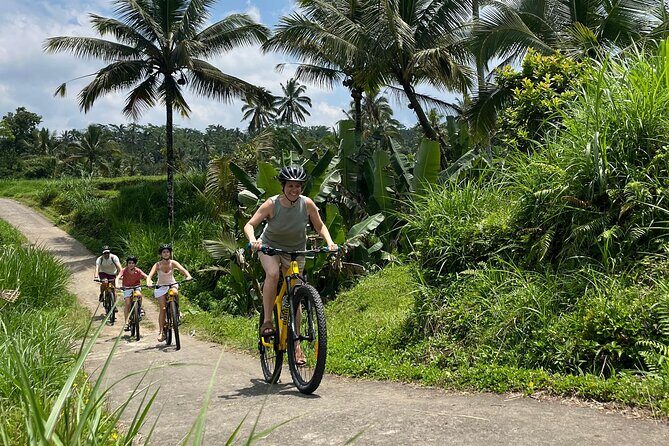
- Bikes and helmets included: reviews highlight newer, lighter bikes and helmets that make the trip feel safer and smoother.
- Lunch with an outlook: you finish with a meal in a setting that matches the rest of the day.
- Smallish group size: up to 30 people, which keeps the experience from feeling like a moving factory.
- Pickup plus Ubud-area shuttle: transportation is part of the value, not an extra puzzle you have to solve.
Kintamani Downhill to Ubud: Why the Ride Feels Effortless
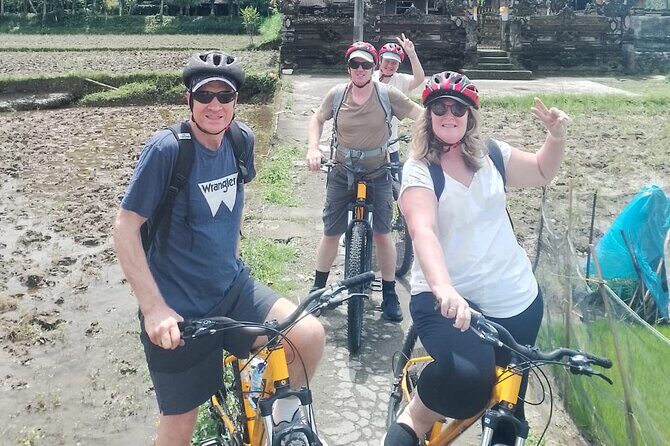
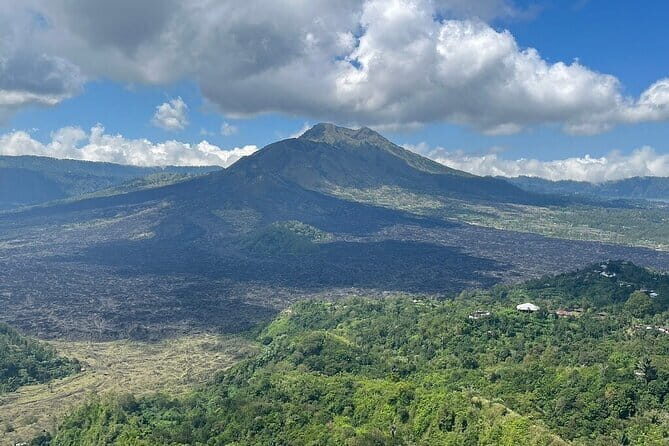
The headline here is the downhill style cycling from the Kintamani side down toward Ubud. You’re not training for a race. The whole plan is built around making the biking accessible, so even if you’re not a “bike person,” you can still enjoy it.
That shows up in the way people talk about the day: the ride is often described as fun and easy because it’s mainly going down. Still, do treat it as real cycling. Bring your basic stamina. You’ll be outside for hours, and the countryside paths can mean short stretches where you pedal more than you expect.
Other Kintamani volcano tours at Mount Batur & Bali highlands

Hotel Pickup and Getting Set Up for a Smooth Start
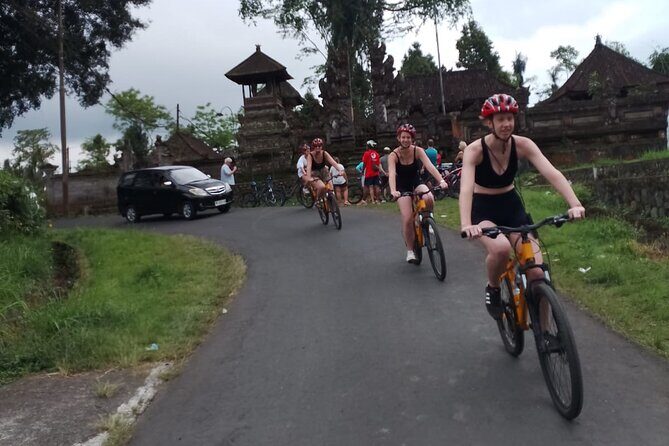
Your day begins with pickup from your hotel, and that immediately reduces friction. In places like Ubud, the difference between having pickup handled and figuring it out yourself is the difference between a calm start and a stressful one.
You’ll ride from the Bayung Gede, Kintamani area, and then the experience ends back at the meeting point area with a shuttle included for the Ubud zone. The exact return point can vary with where you’re staying, but the practical takeaway is simple: you’re not left to coordinate transportation at the end of your cycling day.
There’s also a mobile ticket, which is handy for keeping things simple on a phone instead of hunting for paper vouchers.
First Village Look: School Stop and Everyday Education

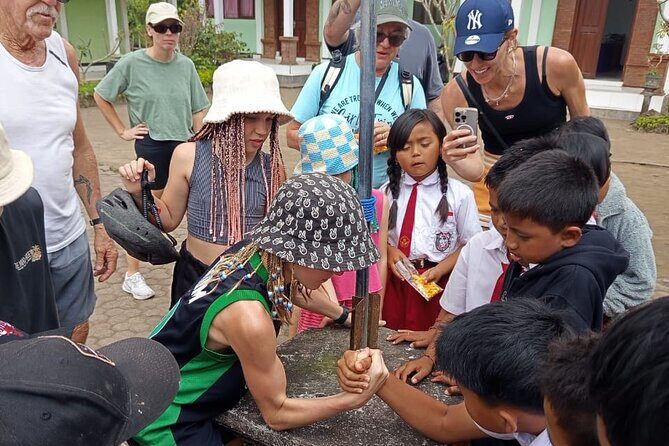
One of the most valuable parts of this day is the early stop at a local school. Instead of making the cultural piece only about temples and photos, you get to see daily education in a real village setting.
What I like about this kind of stop is the time it gives you to slow down and notice the rhythm of life. You see children in their classes and you get a sense of what a school day looks like in a Balinese village. It also helps the rest of the day make more sense, because you’re not just cycling through places; you’re learning how people live around them.
A practical note: school visits can mean you’ll spend a bit of time standing and listening. So bring patience for that part. The ride will be the big payoff, and the cultural stop is the slower, thoughtful counterweight.
Traditional Balinese Compound: Philosophy, Architecture, and Traditions
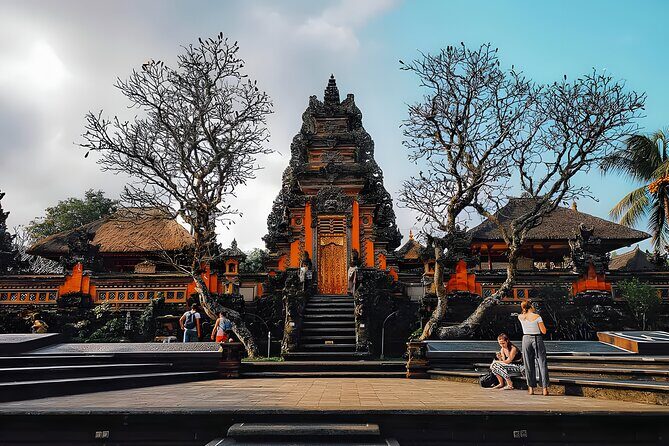
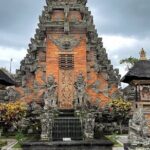
After the school stop, you head into a traditional Balinese compound. This is where the experience shifts from sightseeing to explanation. You learn about Balinese philosophy, the architecture, and the daily traditions that shape how homes and community spaces work.
This is also the point in the day where guides can make or break the experience. When the guide is good, you start connecting the dots: why rooms are arranged the way they are, why certain spaces matter, and how beliefs show up in everyday design.
One realistic consideration: a couple of people felt the stops weren’t as exciting as the bike ride itself. That doesn’t mean the stops are bad. It just means your timing expectations matter. If you’re mostly there for cycling, plan to treat these stops as short learning breaks, not the main attraction.
The Downhill Ride Through Farms, Forest Paths, and Rice Paddies
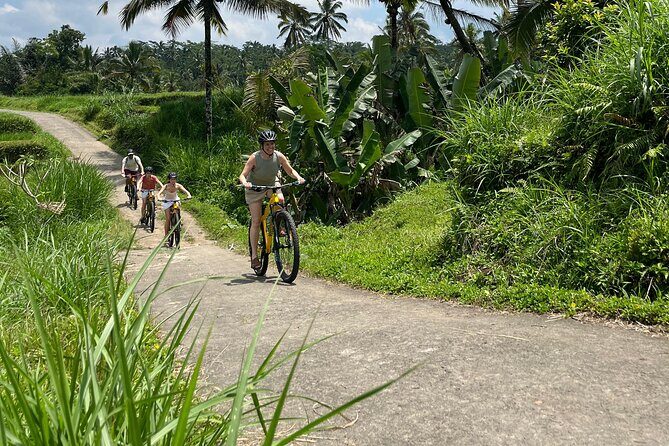
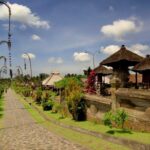
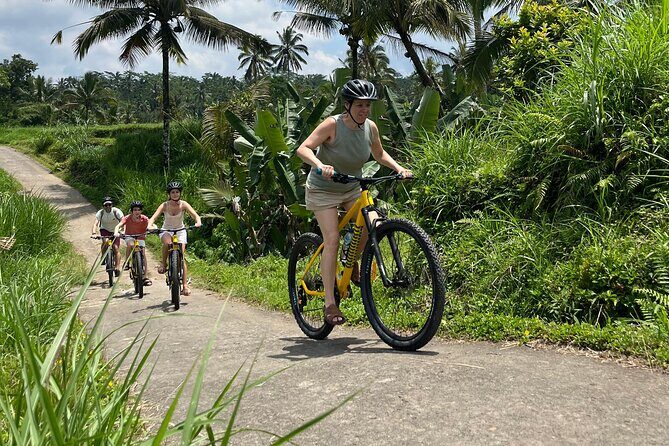
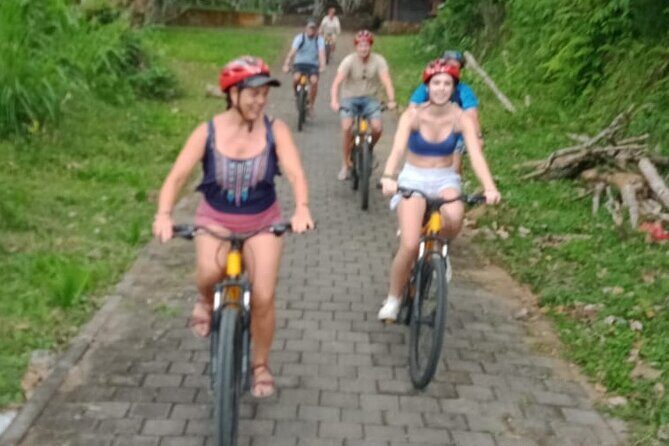
Then the biking really starts to deliver. Your route runs through farms, forest areas, and villages, ending up with those famous Ubud-style views of rice paddies. The best part is that the scenery changes often enough to keep you engaged even if you’re not working hard physically.
People highlight how the scenery feels like a shift from town life. You’re breathing village air, seeing small settlements, and watching the fields. And because it’s downhill-focused, you get more time to look around rather than focus purely on effort.
Photo stops matter here too. Guides have been praised for helping people capture images, which is important because countryside light can change quickly. If you want photos, use the guide’s pace as your timing plan. Don’t wait until you’re already moving to ask for a shot.


Lunch with a View: Fueling Up After the Main Action
At the finish point, lunch is included. And it’s not just lunch-as-an-afterthought. The meal comes with an incredible view, which makes a big difference when you’re spending a day outdoors.
Timing-wise, this is the moment you’ll want: food, cooling down, and a chance to talk through what you saw and rode. It’s also a good point to reset if you were stopping for photos earlier or if you took a few slower moments during the cultural segments.
I’d treat the meal like part of the plan, not a separate obligation. Drink your water, take a few minutes in the shade, and let the day land before you head back.
Bikes, Helmets, and Comfort: What Matters for a 6-Hour Day
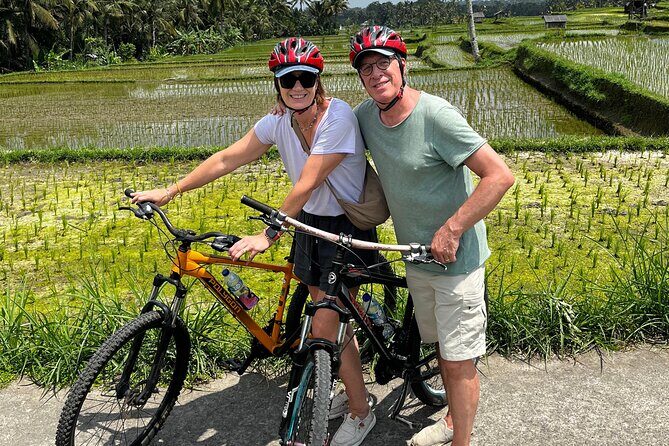
From the reviews, the bikes get strong marks: newer, lighter bikes that are easier to control. Helmets are mentioned too, and that’s a big deal for comfort on rural roads and paths.
What you should bring isn’t about luxury. It’s about doing well with sun and movement:
- Sun protection (cap or hat, sunscreen)
- Light layers for morning coolness and later warmth
- Comfortable shoes that grip
- A small bag or pocket for your phone and essentials
- Water is already provided, but you can still bring a little extra if you run hot
Also, aim for a simple day. You’re going to be on a bike, then walking a bit during stops, and then eating. If you pack heavy or wear uncomfortable clothes, you’ll feel it more than you’d expect.
Price and Value: Why $33.60 Is More Than a Discount Ride
At $33.60 per person, this is priced like a value outing, not a premium private adventure. And the best part is that the cost isn’t just for the bike.
You get:
- pickup
- lunch
- bottled water
- entrance fees
- shuttle within the Ubud area
On top of that, reviews mention new bikes and helmets, plus guide attention that goes beyond just pointing you down the road. One strong theme in the feedback is organization. Pickup is on time, guides help with photos, and everything feels planned enough that you don’t waste your day solving logistics.
Could the stops feel less exciting than the ride for some people. Yes. But you’re paying for a full day experience that mixes effort, scenery, and cultural context. For many visitors, that’s exactly the balance that makes it worth the money.
One more practical point: if you like flexible plans, the experience includes free cancellation up to 24 hours in advance. That gives you room to adjust if your schedule shifts.
Who Should Book This Cycling Day in Ubud
This tour is a great match if you want a day that feels active but not punishing. It’s also a strong fit for families, since the route is described as downhill-focused and not overly strenuous.
You’ll also like it if you care about the “how people live” side of Bali. The school stop and the Balinese compound lesson aren’t random add-ons. They help you see beyond the postcard layer.
If you’re the type who wants only long stretches of uninterrupted riding, you might find the structured stops a little slower than you prefer. The bike portion is the star, and the rest of the day works best when you’re okay switching gears between riding and learning.
Should You Book Kintamani Down Hill Cycling?
If you’re weighing this against a pure sightseeing day, I’d lean toward booking when you want both fresh air and real local context. For the price, you’re getting transportation, meals, and guided stops along the way, not just a bike rental.
Book it if you:
- want an easy-going downhill style ride
- like villages and daily life over only big landmarks
- want lunch included in the price
- appreciate guides who help with photos and keep things smooth
Consider a different option if you:
- hate structured cultural stops and only want time on the bike
- expect this to be a fitness challenge rather than a scenic downhill experience
- are sensitive to spending time standing during a school or compound visit
Overall, it’s a smart, accessible way to experience the Ubud region with movement and meaning.
FAQ
How long is the Kintamani downhill cycling experience?
It runs about 6 hours, approximately.
Where does the tour start and end?
It starts at Bayung Gede, Kintamani, Bangli Regency, Bali, Indonesia. The activity ends back at the meeting point, with shuttle support for the Ubud area included.
What should my fitness level be?
A moderate physical fitness level is recommended.
What is included in the price?
The experience includes bottled water, lunch, entrance fees, and a shuttle for the Ubud area.
Is pickup included?
Pickup is offered, and the experience includes shuttle service around Ubud after the tour.
Are there limits on group size?
Yes. The tour/activity has a maximum of 30 travelers.
What is the cancellation policy?
Free cancellation is available. You can cancel up to 24 hours in advance for a full refund, and changes within 24 hours are not accepted.